
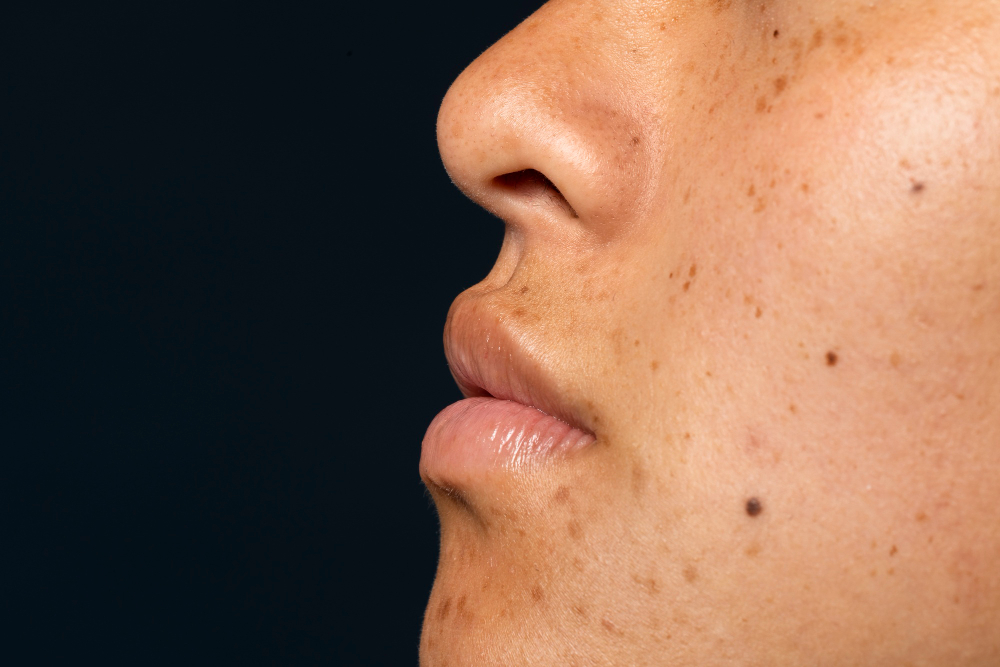
What is Melasma?
Melasma is a common skin condition. It causes brown or gray patches to appear on the skin, most often on the face. Many people notice melasma on their cheeks, forehead, nose, or upper lip. While melasma is not harmful, it can affect how you feel about your appearance. Because melasma is more common in women, especially during pregnancy, it is sometimes called the “mask of pregnancy.” However, men can get melasma too. Understanding melasma symptoms and causes can help you find the right treatment.
Common Symptoms of Melasma
Melasma usually appears as flat, dark patches on the skin. These patches do not hurt or itch. However, they can be bothersome for some people. Most often, melasma shows up on parts of the body that get a lot of sun.
Sometimes, the patches get darker after being in the sun. For many, melasma symptoms are more noticeable in the summer.
Causes and Risk Factors
Although the exact cause of melasma is not fully known, several factors can increase your risk. Sun exposure is a major trigger. In addition, hormones play a big role. For example, pregnancy, birth control pills, or hormone therapy can lead to melasma. Genetics also matter. If your family members have melasma, you may be more likely to get it too.
Because melasma causes are linked to both sun and hormones, it is important to protect your skin and manage triggers when possible.
How Melasma is Diagnosed
Doctors usually diagnose melasma by looking at your skin. In most cases, a dermatologist can tell if you have melasma just by examining the patches. Sometimes, a special light called a Wood’s lamp helps the doctor see how deep the pigment goes. Rarely, a skin biopsy may be needed to rule out other conditions. If you notice new or changing patches, it is wise to see a doctor for a proper diagnosis.
Treatment Options for Melasma
Melasma treatment focuses on fading the dark patches and preventing them from coming back. While melasma can be stubborn, many people see improvement with the right care. Treatment options include:
Because sun exposure can make melasma worse, sunscreen is a key part of treatment. In fact, using sunscreen every day helps prevent new patches from forming. Sometimes, stopping hormone treatments may help, but always talk to your doctor first. According to the American Academy of Dermatology, results may take several months. Therefore, patience is important during melasma treatment.
Prevention and Lifestyle Tips
While you cannot always prevent melasma, you can lower your risk. Simple changes in your daily routine may help keep your skin clear. Here are some tips:
Even if you already have melasma, these steps can help prevent it from getting worse. In addition, regular check-ups with a dermatologist can help you manage melasma symptoms.
Conclusion
Melasma is a common skin problem that causes dark patches, mostly on the face. Although it is not dangerous, it can affect your confidence. With the right treatment and daily care, you can manage melasma and reduce its impact. Consult a dermatologist for personalized advice on melasma management.
