
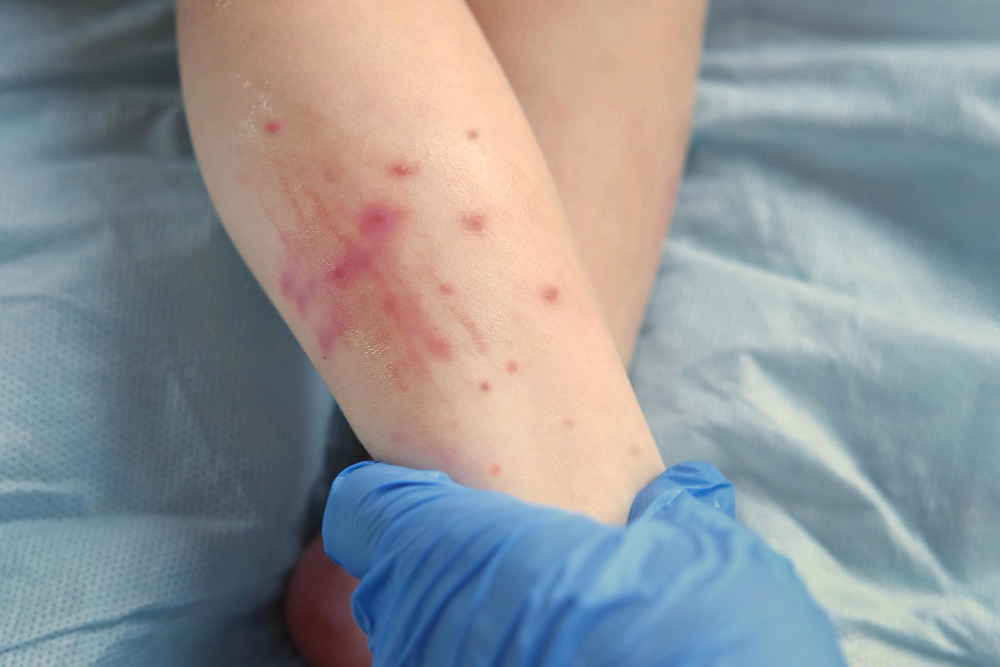
What is Dermatitis (Skin Irritation)?
Dermatitis (skin irritation) is a common condition that makes your skin red, swollen, or itchy. Many people experience it at some point. Although it is not usually serious, it can be uncomfortable. There are different types of dermatitis, such as atopic dermatitis (eczema), contact dermatitis, and seborrheic dermatitis. Each type has its own triggers and symptoms. However, all forms involve inflammation of the skin. Understanding dermatitis helps you manage and prevent flare-ups. According to the CDC, dermatitis affects millions worldwide.
Common Causes of Dermatitis
Dermatitis can happen for many reasons. Sometimes, your skin reacts to something it touches. Other times, it may be due to allergies or genetics. Here are some common causes:
Because triggers vary, it is important to know what affects your skin. This helps you avoid future problems.
Recognizing Symptoms of Dermatitis
Dermatitis symptoms can look different for everyone. Still, there are some signs to watch for. Early detection can help you get relief sooner. Common symptoms include:
Sometimes, symptoms come and go. But if they last or get worse, you should seek help. Quick action can prevent complications.
How is Dermatitis Diagnosed?
Doctors use several steps to diagnose dermatitis. First, they ask about your symptoms and medical history. Next, they examine your skin closely. Sometimes, they may perform tests, such as:
Because many skin conditions look alike, a proper diagnosis is important. This ensures you get the right treatment. If you are unsure, always consult a dermatologist.
Treatment Options for Dermatitis
There are many dermatitis treatment options. The best choice depends on the type and cause of your skin irritation. Here are some common remedies and treatments:
For severe cases, doctors may suggest stronger medicines or light therapy. However, always use treatments as directed by your healthcare provider. According to the WHO, early treatment can prevent long-term skin damage.
Prevention Tips and Lifestyle Guidance
Preventing dermatitis is possible with a few simple steps. While not all cases can be avoided, these tips can lower your risk:
Because prevention is easier than treatment, make these habits part of your daily routine. If you notice early signs, act quickly to stop symptoms from getting worse.
When to See a Dermatologist
Sometimes, home care is not enough. You should see a dermatologist if:
Because skin problems can affect your quality of life, do not wait too long. A dermatologist can help you find the best solution for your needs.
Frequently Asked Questions (FAQs)
Conclusion and Next Steps
In summary, dermatitis (skin irritation) is common but manageable. By knowing the causes, symptoms, and treatment options, you can take control of your skin health. Prevention and early care make a big difference. If you have ongoing or severe symptoms, do not hesitate to seek help. Consult a dermatologist for personalized advice on dermatitis (skin irritation).
