
What is Acne?
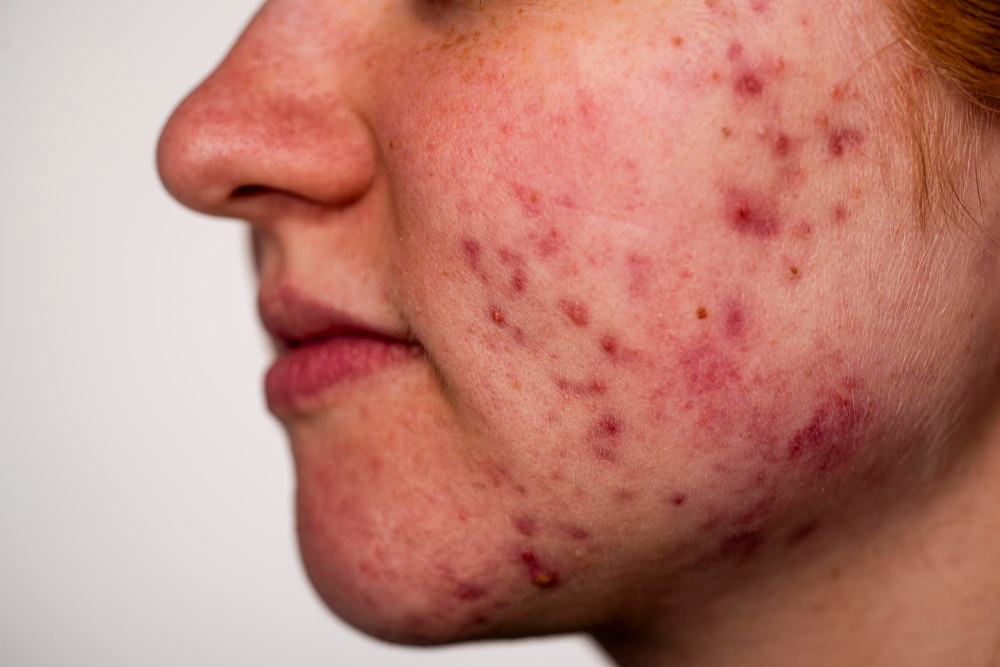
Acne is a common skin condition that affects people of all ages. It often appears as pimples, blackheads, or whiteheads on the face, chest, or back. Because acne can be both frustrating and uncomfortable, many people look for ways to treat and prevent it. According to the World Health Organization (WHO), acne is not dangerous, but it can affect self-esteem. For this reason, understanding acne is important for everyone.
Common Symptoms of Acne
Acne symptoms can vary from mild to severe. However, most people notice a few common signs. For example, you may see:
Sometimes, acne can cause tenderness or swelling. In some cases, it may even lead to permanent scars if not treated early.
Causes and Risk Factors
Acne develops when hair follicles become clogged with oil and dead skin cells. But, several factors can make acne worse. These include:
Although anyone can get acne, teenagers and young adults are most at risk. However, adults can also develop acne, especially during times of stress or hormonal changes.
How Acne is Diagnosed
Doctors usually diagnose acne by looking at your skin. They may ask about your symptoms and medical history. In most cases, no special tests are needed. However, if acne is severe or does not improve with basic care, a dermatologist may suggest further tests. For example, they may check for hormone problems or other skin conditions. Early diagnosis can help prevent scarring and improve treatment results.
Effective Treatment Options
There are many acne treatment options available today. The right treatment depends on how severe your acne is. Some common treatments include:
Because some treatments can cause side effects, it is important to follow your doctor’s advice. Also, results may take several weeks to appear. Patience and consistency are key for clear skin.
Lifestyle Tips for Managing Acne
Along with medical treatments, simple lifestyle changes can help manage acne. For instance, you can:
Although these steps may not cure acne, they can reduce breakouts and support healthy skin.
Prevention Strategies
While you may not be able to prevent acne completely, certain habits can lower your risk. For example:
Because prevention is easier than treatment, starting these habits early can help keep your skin clear.
When to See a Dermatologist
Sometimes, acne does not improve with home care. In such cases, it is best to see a dermatologist. You should seek help if:
Because dermatologists are skin experts, they can offer advanced treatments and advice. Early care can prevent lasting skin problems.
In summary, acne is a common but treatable skin condition. With the right care and support, most people can achieve clearer skin. Consult a dermatologist for personalized advice and treatment options.
